


 Oral Care
 Sports Nutrition
Magnesium Glycinate
Showing all 4 resultsSorted by latest

Doctor’s Best High Absorption Magnesium
SKU:
340878932793
Original price was: 3,100.00৳ .2,999.00৳ Current price is: 2,999.00৳ .

Deal Supplement Magnesium Glycinate 500mg
Original price was: 5,000.00৳ .4,795.00৳ Current price is: 4,795.00৳ .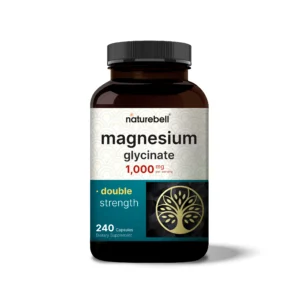
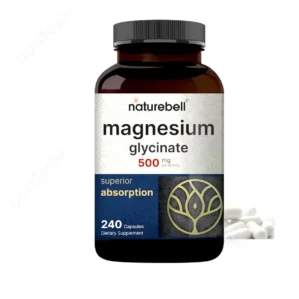
NatureBell Magnesium Glycinate 500
SKU:
3452343-1
Original price was: 4,200.00৳ .3,750.00৳ Current price is: 3,750.00৳ .
Magnesium Glycinate Supplements in Bangladesh: Unlocking the Benefits for Your Health
Magnesium is an essential mineral involved in numerous physiological processes, such as muscle contraction, nerve transmission, energy metabolism, and bone maintenance. In Bangladesh, as in many regions, dietary magnesium intake is often insufficient. Magnesium glycinate, a form of magnesium with high bioavailability, can effectively address this deficiency. Compared to other magnesium compounds, magnesium glycinate is less likely to cause gastrointestinal discomfort and is more readily absorbed, making it a suitable option for individuals requiring supplementation.
This article talks in detail about Magnesium Glycinate, including what it is, how much you should take, any possible side effects, and how it can help your health as a whole.
What is Magnesium Glycinate?
Magnesium glycinate consists of magnesium chelated to glycine, an amino acid. This molecular structure increases magnesium’s bioavailability, allowing for more efficient absorption than forms such as magnesium oxide. Magnesium glycinate is frequently selected for supplementation due to its efficacy and reduced likelihood of causing gastrointestinal side effects.
Magnesium participates in more than 300 enzymatic reactions, including those regulating muscle contraction, nerve function, and bone integrity. It also contributes to glucose metabolism, mood regulation, and cardiovascular health. Magnesium glycinate is recognized for its potential to alleviate anxiety, improve sleep quality, and reduce muscle cramps.
Key Benefits of Magnesium Glycinate
1. Promotes Better Sleep and Reduces Anxiety
Magnesium supports the nervous system by facilitating the production of gamma-aminobutyric acid (GABA), a neurotransmitter associated with relaxation. Magnesium glycinate is frequently utilized to improve sleep quality and reduce anxiety symptoms. Evidence suggests that supplementation may enhance relaxation and support individuals with insomnia or anxiety disorders.
2. Supports Bone and Muscle Health
Magnesium is essential for bone health, as it activates vitamin D, thereby facilitating calcium absorption. Supplementation with magnesium glycinate may improve bone mineral density and muscle function. Clinical evidence indicates that magnesium glycinate can reduce nocturnal muscle cramps and promote muscle relaxation.
3. Helps Regulate Blood Sugar
Magnesium is integral to blood glucose regulation and insulin sensitivity. Supplementation with magnesium glycinate may benefit individuals with diabetes or those at risk for type 2 diabetes by supporting glycemic control.
4. Improves Mood and Mental Well-being
Magnesium contributes to the synthesis of neurotransmitters such as serotonin, which is essential for mood regulation. Deficiency in magnesium has been associated with depression, anxiety, and other mood disorders. Supplementation with magnesium glycinate may alleviate depressive symptoms and support mental health.
5. Reduces Symptoms of PMS
Magnesium glycinate supplementation may reduce symptoms of premenstrual syndrome (PMS), such as irritability, mood fluctuations, and bloating. These effects are attributed to its influence on hormonal regulation and anti-inflammatory properties.
6. Supports Heart Health
Magnesium is critical for maintaining normal cardiac rhythm and regulating blood pressure. Studies indicate that magnesium supplementation, including magnesium glycinate, may lower the risk of cardiovascular disease by supporting cardiac function and vascular health.
Magnesium Glycinate Deficiency: Symptoms and Causes
In Bangladesh, inadequate dietary intake frequently contributes to magnesium deficiency. Additional risk factors include specific medical conditions and medication use. Symptoms of magnesium deficiency include:
- Muscle cramps or twitching
- Fatigue and weakness
- Nausea and vomiting
- Abnormal heart rhythms
- Sleep disturbances or insomnia
- Anxiety and irritability
Common causes of magnesium deficiency include:
- Chronic diarrhea
- Excessive alcohol consumption
- Diabetes and poor blood sugar control
- Malabsorption issues (e.g., Crohn’s disease or celiac disease)
- Use of certain medications, such as diuretics
Recommended Dosage of Magnesium Glycinate
The recommended dosage of magnesium glycinate varies according to individual health requirements and clinical guidance. Typical dosages include:
- General supplementation: 200-400 mg per day
- For sleep support and anxiety relief: 200-300 mg before bedtime
- For muscle cramps: 300-400 mg daily
It is advisable to administer magnesium glycinate with food to enhance absorption and minimize gastrointestinal discomfort. For sleep support, administration 30 to 60 minutes before bedtime may increase efficacy.
Side Effects and Safety Considerations
Magnesium glycinate is generally well-tolerated; however, excessive intake may result in adverse effects. Common side effects include:
- Diarrhea or loose stools (more likely at higher doses)
- Stomach upset or nausea.
- Drowsiness (when taken before bedtime)
Warnings:
- Kidney disease: People who already have kidney problems shouldn’t take magnesium tablets, since their kidneys are supposed to remove excess magnesium.
*Interactions with medicines: Magnesium can cause problems with some medicines, like antibiotics, blood pressure medicines, and diuretics. Before starting to take magnesium supplements, you should always talk to your doctor.
Natural Sources of Magnesium
Although magnesium glycinate supplements can address dietary insufficiencies, prioritizing magnesium-rich foods is recommended. Major natural sources of magnesium include:
- Leafy greens (e.g., spinach, Swiss chard)
- Nuts and seeds (e.g., almonds, pumpkin seeds, sunflower seeds)
- Whole grains (e.g., quinoa, brown rice)
- Beans and legumes (e.g., lentils, black beans)
- Fruits (e.g., bananas, avocados)
- Fish (e.g., mackerel, halibut)
Incorporating these foods into the diet supports the achievement of recommended daily magnesium intake through natural sources.
Who Should Use Magnesium Glycinate?
Magnesium glycinate is appropriate for individuals requiring magnesium supplementation. It is particularly beneficial for the following groups:
- Individuals with magnesium deficiency (due to dietary gaps, medical conditions, or medications)
- People suffering from insomnia or anxiety
- Athletes and those experiencing muscle cramps or spasms
- Those with diabetes or at risk of type 2 diabetes
- Women experiencing PMS
Before starting any new supplement routine, it’s best to talk to a healthcare expert, especially if you already have health problems or are taking medication.
Conclusion: Magnesium Glycinate Supplements in Bangladesh
Magnesium glycinate provides an effective approach to correcting magnesium deficiencies and supporting multiple aspects of health, including sleep quality, anxiety reduction, and musculoskeletal function. This supplement might also support overall health and heart health.
When selecting magnesium glycinate supplements, prioritize products from reputable manufacturers that offer clear dosage guidelines and evidence of third-party testing for purity and quality.
Individuals in Bangladesh considering magnesium glycinate supplementation should consult a healthcare provider to determine appropriate dosage and assess suitability based on individual health status.
References:
- National Institutes of Health – Office of Dietary Supplements. (2022). Magnesium Fact Sheet for Health Professionals. NIH.
- Mayo Clinic. (2022). Magnesium in pregnancy: Benefits and recommendations. Mayo Clinic.
- Healthline. (2023). Magnesium Glycinate: Benefits, Side Effects, and Dosage. Healthline.
Verywell Health. (2023). Magnesium Glycinate: Uses, Benefits, and Dosage. Verywell Health.