


 Oral Care
 Sports Nutrition
Showing 1–9 of 12 resultsSorted by latest
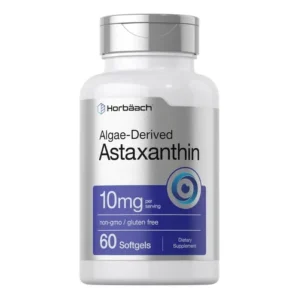
Horbaach Astaxanthin
SKU:
8765476545-1-2-1-1
Original price was: 2,700.00৳ .2,500.00৳ Current price is: 2,500.00৳ .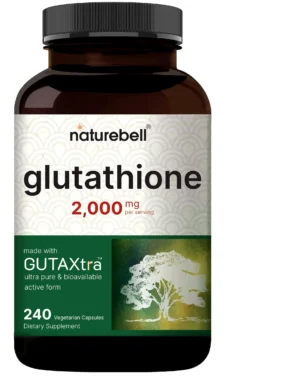
Naturebell Glutathione
SKU:
3452343-2-1
Original price was: 5,700.00৳ .5,600.00৳ Current price is: 5,600.00৳ .
Deal Supplement CoQ10 600mg
SKU:
X004LTSEHX
Original price was: 4,100.00৳ .3,999.00৳ Current price is: 3,999.00৳ .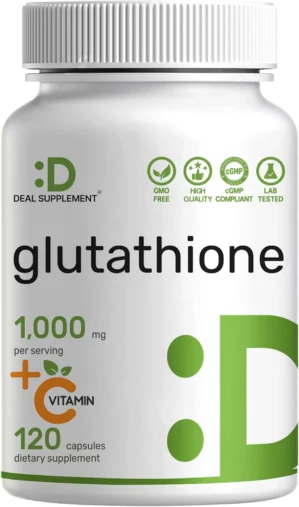
Deal Supplement Glutathione 1000 mg
SKU:
433718394
Original price was: 4,800.00৳ .4,350.00৳ Current price is: 4,350.00৳ .
Doctor’s Best Betaine HCI Pepsin and Gentian Bitters
SKU:
286725365
Original price was: 3,200.00৳ .2,990.00৳ Current price is: 2,990.00৳ .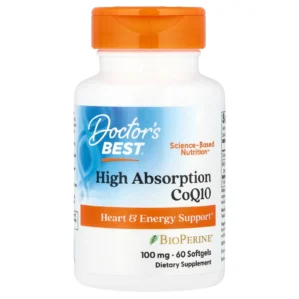
Doctor’s Best High Absorption CoQ10
SKU:
326047448
Original price was: 2,500.00৳ .2,395.00৳ Current price is: 2,395.00৳ .
Doctor’s Best Benfotiamine 300mg
SKU:
3098776
Original price was: 3,700.00৳ .3,490.00৳ Current price is: 3,490.00৳ .Antioxidants: Benefits, Sources, and Dietary Recommendations in Bangladesh
Introduction: The Importance of Antioxidants in Health
The rise of lifestyle diseases in Bangladesh, including heart disease, diabetes, and cancer, underscores the importance of antioxidants for public health. Antioxidants, found naturally in foods, neutralise harmful free radicals. Understanding their role and how to include them in the diet is crucial for reducing chronic disease risk and improving overall health.
What Are Antioxidants?
Antioxidants are molecules that help prevent damage caused by oxidative stress. Oxidative stress occurs when free radicals outnumber antioxidants, leading to damage to cells, proteins, and DNA. Free radicals form naturally during metabolism and from environmental sources like pollution, smoking, and excessive sun exposure.
In Bangladesh, rising pollution levels in urban areas underscore the importance of increasing antioxidant intake to mitigate the harmful effects of environmental stressors.
The Link Between Free Radicals and Disease
Free radicals contribute to numerous health conditions, including heart disease, diabetes, neurodegenerative disorders, and certain cancers. Research indicates that oxidative DNA damage can trigger mutations that lead to cancer. Additionally, free radicals are implicated in aging and inflammatory joint diseases such as arthritis.
In Bangladesh, the high prevalence of heart disease is a significant public health concern. Free radicals facilitate the adhesion of low-density lipoprotein (LDL) cholesterol to blood vessel walls, which is a primary factor in the development of atherosclerosis and coronary artery disease.
Types of Antioxidants and Their Role in the Body
Antioxidants can be classified into two main categories:
- Nutrient Antioxidants: These include essential vitamins and minerals, such as:
- Vitamin C: Found in citrus fruits, guavas, and papayas, Vitamin C helps repair tissues and supports the immune system.
- Vitamin E: Present in nuts, seeds, and vegetable oils, Vitamin E protects cell membranes from oxidative damage.
- Vitamin A: Found in carrots, sweet potatoes, and spinach, Vitamin A supports skin health and immune function.
- Minerals: Copper, selenium, and zinc, often found in seafood, nuts, and seeds, play key roles in the body’s defense against oxidative stress.
- Non-Nutrient Antioxidants: These include plant-based compounds like flavonoids, polyphenols, and carotenoids, which offer potent antioxidant effects. Common examples are:
- Flavonoids: Found in tea, apples, onions, and berries, flavonoids have been shown to protect against heart disease and certain cancers.
- Lycopene: This antioxidant, abundant in tomatoes and watermelon, has been linked to a reduced risk of prostate cancer.
- Anthocyanins: Found in berries, eggplant, and grapes, these antioxidants support heart health and reduce inflammation.
In Bangladesh, consumption of local fruits such as mangoes, guavas, and papayas can significantly increase dietary antioxidant intake.
Disease-Fighting Antioxidants: What the Research Shows
Incorporating antioxidants into the diet may reduce the risk of developing chronic diseases:
- Heart Disease: Antioxidants like flavonoids, Vitamin C, and Vitamin E are known to lower inflammation and improve blood flow, which are two important ways to keep heart disease at bay.
- Cancer: Research suggests that antioxidants such as lycopene, present in tomatoes, and beta-carotene, found in carrots, may help protect against specific cancer types. In Bangladesh, where cancer prevalence is high, these antioxidants may be particularly effective in reducing oxidative DNA damage.
- Eye Health: Lutein, present in spinach and kale, is associated with a reduced risk of age-related macular degeneration, a condition affecting vision in older adults. Given the increasing elderly population in Bangladesh, promoting lutein-rich foods may support eye health.
- Neurodegenerative Diseases: Polyphenols, especially those found in green tea and berries, are under investigation for their potential to reduce the risk of Alzheimer’s disease and Parkinson’s disease.
Sources of Antioxidants in the Bangladeshi Diet
Bangladesh offers a wealth of local food sources that are rich in antioxidants:
- Fruits: Mangoes, papayas, bananas, guavas, and pomegranates are rich in Vitamins A, C, and E, all of which have antioxidant properties.
- Vegetables: Spinach, carrots, tomatoes, and sweet potatoes are excellent sources of carotenoids, particularly beta-carotene.
- Nuts and Seeds: Almonds, walnuts, and sunflower seeds are rich in Vitamin E and selenium.
- Spices: Turmeric, commonly used in Bangladeshi cuisine, contains curcumin, a powerful antioxidant with anti-inflammatory properties.
- Legumes and Beans: These are rich in flavonoids and provide an excellent plant-based source of protein and antioxidants.
These foods are integral to Bangladeshi cuisine and offer a natural, sustainable method for increasing antioxidant intake.
Antioxidant Supplements vs. Whole Foods
Although antioxidants are available as dietary supplements, recent research indicates that whole foods are the most effective source of these nutrients. The combination of compounds in whole foods enhances the bioavailability and efficacy of antioxidants. For example, antioxidants in vegetables and fruits often interact with other beneficial compounds such as fiber, which supports digestion and overall health.
High-dose antioxidant supplementation may result in adverse health effects. For instance, excessive intake of Vitamin A supplements has been linked to an increased risk of lung cancer in smokers. Therefore, obtaining antioxidants from natural food sources is recommended over reliance on isolated supplements.
Dietary Recommendations for Boosting Antioxidants in Bangladesh
To ensure adequate antioxidant intake, the following dietary strategies are recommended:
- Consume a variety of colorful fruits and vegetables: Include at least five servings of fruits and vegetables daily, with emphasis on those rich in Vitamins A, C, and E.
- Incorporate whole grains and nuts: Add whole grains such as brown rice and nuts including almonds and walnuts to meals to increase antioxidant intake.
- Use spices liberally: Spices such as turmeric, ginger, and garlic enhance flavor and provide significant amounts of antioxidants and other health-promoting compounds.
- Consume antioxidant-rich beverages: Green tea and herbal teas are valuable sources of polyphenols.
Conclusion: Antioxidants as a Key to Better Health in Bangladesh
Given the increasing prevalence of chronic diseases in Bangladesh, incorporating antioxidants into the daily diet may provide protection against oxidative stress and disease progression. A diverse diet that includes fruits, vegetables, nuts, and spices offers a natural and sustainable approach to improving health and longevity. For optimal outcomes, a balanced variety of foods is recommended over reliance on antioxidant supplements, which may not confer equivalent health benefits.