


 Oral Care
 Sports Nutrition
Astaxanthin
Showing the single result
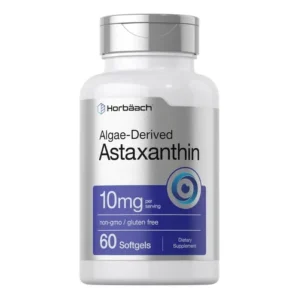
Horbaach Astaxanthin
SKU:
8765476545-1-2-1-1
Original price was: 2,700.00৳ .2,500.00৳ Current price is: 2,500.00৳ .Astaxanthin in Bangladesh: A Powerful Antioxidant for Health and Wellness
Introduction to Astaxanthin
Astaxanthin is a powerful antioxidant with many health benefits. This carotenoid gives salmon, flamingos, and other marine animals their pink and red colors. For individuals, it helps reduce oxidative stress, supports heart health, and slows skin aging. In Bangladesh, where heart disease, diabetes, and skin conditions are rising, adding astaxanthin to the diet may help.
This article provides clear, actionable information on what astaxanthin is, its health benefits, safe usage guidelines, and practical ways to incorporate it into your daily routine.
What Is Astaxanthin?
Astaxanthin is a red-orange carotenoid pigment naturally present in marine organisms such as shrimp, salmon, krill, and especially the algae species Haematococcus pluvialis. As a potent antioxidant, it neutralizes harmful free radicals, helping prevent cellular damage linked to chronic diseases including heart disease, diabetes, and cancer. Its unique molecular structure enables it to cross cell membranes, providing broad protection against oxidative stress and inflammation.
Key Benefits of Astaxanthin
Astaxanthin’s antioxidant properties are well-researched and supported by scientific studies and anecdotal evidence, offering several notable health benefits beyond its role as a marine pigment.
- Enhanced Immune System Function
Astaxanthin supports immune function by activating white blood cells and natural killer cells, helping the body combat infections and diseases. In Bangladesh, where viral and bacterial infections are prevalent, including astaxanthin in the diet may help strengthen immune defenses. - Cardiovascular Health
Astaxanthin contributes to better heart health by: - Lowering LDL (bad) cholesterol levels
- Increasing HDL (good) cholesterol levels
- Reducing high blood pressure
- Protecting the heart muscle from oxygen deficiency during stress
Given the high prevalence of heart disease in Bangladesh, astaxanthin’s antioxidant action may help support cardiovascular function.
- Brain Health
Astaxanthin can cross the blood-brain barrier, which helps protect the brain from neurodegenerative diseases such as Alzheimer’s and Parkinson’s. This property makes it a promising supplement for those concerned about cognitive decline, especially in older adults. - Skin Health and Protection
Astaxanthin is widely used to support skin health. Its antioxidant properties help protect against UV damage, reduce signs of aging, and improve skin elasticity by limiting free radical damage and supporting collagen production. In Bangladesh’s tropical climate, where sun exposure is high, astaxanthin may be especially beneficial. - Reducing Inflammation
Astaxanthin’s anti-inflammatory properties may help manage conditions such as rheumatoid arthritis, psoriasis, and celiac disease by reducing swelling, joint pain, and improving mobility. - Digestive Health
Astaxanthin may inhibit the growth of H. pylori bacteria, a primary cause of peptic ulcers, thereby supporting digestive health.
How to Use Astaxanthin Supplements
Astaxanthin supplements are available in several forms, including tablets, capsules, liquid drops, and powders. Capsules are the most commonly used form and are typically taken orally with meals. For optimal absorption, astaxanthin should be consumed with a meal containing healthy fats, such as those found in olive oil, avocados, or fish, which can enhance absorption by up to four times.
Dosing Guidelines
- Basic Wellness Dose: 4-6 mg daily
- Therapeutic Dose: 8-12 mg daily for more significant health benefits
- Maximum Studied Dose: 40 mg daily (under medical supervision)
A daily dose of 4 mg is recommended for skin protection, whereas doses ranging from 8 to 12 mg are commonly used to achieve enhanced antioxidant and anti-inflammatory effects.
Side Effects and Precautions
Astaxanthin is generally regarded as safe for most individuals when consumed within recommended dosages. However, side effects may occur, particularly at higher intake levels. These may include:
- Mild digestive discomfort
- Increased bowel movements
- Red-colored stools
- Mild stomach pain
Although rare, severe allergic reactions such as difficulty breathing, rash, or itching may occur. Individuals experiencing these symptoms should seek immediate medical attention.
Precautions
- Bleeding disorders: Astaxanthin may increase the effects of blood-thinning medications.
- Diabetes: Those with diabetes should consult their doctor before using astaxanthin, as it can influence blood sugar regulation.
- Pregnancy and lactation: Pregnant or breastfeeding women should avoid astaxanthin supplements due to limited research on its safety during these periods.
- Other health conditions: If you have autoimmune disorders, hypertension, or thyroid issues, speak with your healthcare provider before starting astaxanthin.
Astaxanthin and Drug Interactions
Astaxanthin can interact with certain medications, including:
- Blood-thinning medications (such as warfarin)
- Cholesterol-lowering drugs (statins)
- Immune system medications (such as adalimumab)
Consult a healthcare provider before incorporating astaxanthin into a regimen if any of these medications are being used.
Natural Sources of Astaxanthin
Astaxanthin is naturally found in a variety of marine sources, including:
- Microalgae (especially Haematococcus pluvialis)
- Salmon, trout, and shrimp
- Krill
- Plankton
- Certain types of yeast
For those in Bangladesh looking for natural sources, fish like salmon and shrimp can be incorporated into the diet to provide astaxanthin. However, for therapeutic levels of astaxanthin, supplementation is often necessary.
Why Astaxanthin Should Be Part of Your Health Routine in Bangladesh
With health concerns such as heart disease, diabetes, and skin issues related to sun exposure in Bangladesh, adding astaxanthin to a wellness routine may offer notable antioxidant protection, especially for individuals looking to reduce inflammation and support cardiovascular and neurological health.
Key takeaway: Always consult a healthcare provider before starting astaxanthin, especially if you have medical conditions or take other medications.
References
- Linus Pauling Institute – Oregon State University
- This institute offers detailed scientific information on antioxidants, including astaxanthin, and is well-respected in health and nutrition research.
- Link to article on antioxidants
- National Center for Complementary and Integrative Health (NCCIH)
- This source offers credible, research-based information on the health benefits of various supplements, including astaxanthin.
- NCCIH Astaxanthin overview
- PubMed Central – National Institutes of Health (NIH)
- PubMed provides access to a wealth of peer-reviewed studies and clinical trials. You can find research on astaxanthin’s antioxidant properties, its effects on inflammation, and its potential benefits for conditions like cardiovascular disease and diabetes.
- PubMed Astaxanthin Research
- European Food Safety Authority (EFSA)
- The EFSA offers valuable information about the safety and health claims surrounding various dietary supplements, including astaxanthin. They provide scientific assessments on how these supplements affect human health.
- EFSA Report on Astaxanthin
- World Health Organization (WHO)
- For global context and background information, the WHO’s website includes numerous health reports and research on the benefits of antioxidants like astaxanthin.
- WHO Overview on Antioxidants
- MedlinePlus – U.S. National Library of Medicine
- MedlinePlus provides patient-friendly summaries of scientific research, including health benefits, side effects, and interactions related to supplements like astaxanthin.
- MedlinePlus on Astaxanthin
- PubMed Central – Effects of Astaxanthin on Skin Health
- A specific study published on PubMed explores how astaxanthin contributes to skin health by protecting against UV-induced skin damage.
- PubMed Study on Astaxanthin for Skin Health
- National Institutes of Health – National Library of Medicine
- The NIH provides comprehensive data on antioxidants and their impact on various diseases. You can find clinical trials and studies that show how astaxanthin may benefit conditions like cardiovascular diseases and diabetes.
- NIH Astaxanthin Studies
- U.S. Food and Drug Administration (FDA)
- The FDA has classified astaxanthin as a generally recognized as safe (GRAS) compound for dietary use. This official approval provides reassurance regarding its safety in appropriate doses.