


 Oral Care
 Sports Nutrition
Berberine
Showing all 3 resultsSorted by latest

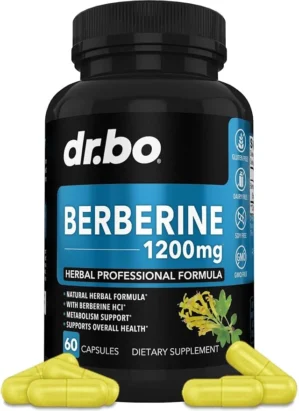
dr.bo Berberine (1,200 mg)
SKU:
098087654-5-2
Original price was: 3,800.00৳ .3,485.00৳ Current price is: 3,485.00৳ .
Berberine Supplements in Bangladesh: Unlocking the Power of Nature for Better Health
Berberine has recently garnered global attention for its potential health benefits, particularly in managing blood sugar levels, supporting heart health, and aiding in weight management. In Bangladesh, where traditional medicine values natural remedies, berberine supplements present an alternative for those seeking to address chronic health conditions.
To help you make informed decisions about incorporating berberine supplements, this guide provides essential information on their health benefits, mechanisms, side effects, dosage, and advice for selecting high-quality, safe products in Bangladesh.
What Is Berberine?
Berberine is a natural compound found in plants such as European barberry, goldenseal, goldthread, and Oregon grape. Traditionally used in Chinese medicine for gastrointestinal issues, recent research suggests berberine may benefit those with metabolic disorders, diabetes, cardiovascular conditions, and gut health concerns.
Key Plants Containing Berberine:
- European Barberry
- Goldenseal
- Oregon Grape
- Phellodendron
- Tree Turmeric
In Bangladesh, where herbal remedies are widely used, berberine is increasingly recognized as a promising natural supplement.
Health Benefits of Berberine Supplements
While research on berberine is ongoing, several studies highlight its most promising benefits:
- Regulating Blood Sugar Levels:
Berberine is well-studied for its ability to lower blood sugar and improve insulin sensitivity, making it useful for managing Type 2 diabetes. It activates AMP-activated protein kinase (AMPK), an enzyme that regulates metabolism. - Supporting Heart Health:
Berberine can improve lipid profiles by reducing total cholesterol, LDL, and triglycerides, while increasing HDL. These changes support cardiovascular health and may lower heart disease risk. - Improving Metabolic Health and Weight Loss:
Berberine may help address metabolic syndrome by improving blood pressure, cholesterol, and abdominal fat. Some studies also indicate it can support weight loss by promoting fat burning and reducing fat storage. - Enhancing Gut Health:
Berberine supports gut health by promoting a balanced microbiome. It encourages beneficial bacteria and reduces harmful microbes, which can improve digestion and overall digestive health. - Reducing Inflammation:
Chronic inflammation is associated with conditions such as heart disease and diabetes. Berberine’s anti-inflammatory properties may help lower inflammation markers in the body.
Berberine Dosage: How Much Should You Take?
Typical Dosage:
A typical dose is 500 mg two to three times daily, totaling 1,000 to 1,500 mg per day. Taking berberine with meals can improve absorption and reduce digestive side effects.
A typical dose is 500 mg two to three times daily, totaling 1,000 to 1,500 mg per day. Taking berberine with meals can improve absorption and reduce digestive side effects.
Recommendation:
Start with 500 mg and increase gradually to minimize discomfort. Divide doses throughout the day to maintain stable blood levels.
Start with 500 mg and increase gradually to minimize discomfort. Divide doses throughout the day to maintain stable blood levels.
Side Effects of Berberine Supplements
Berberine is generally safe when used as directed, but some people may experience mild digestive side effects, such as:
- Diarrhea
- Constipation
- Stomach cramps
- Gas and bloating
To minimize side effects, start with a low dose and increase gradually. If symptoms persist, consult a healthcare provider.
Special Precautions and Warnings
- Pregnancy and Breastfeeding:
Berberine is not recommended during pregnancy or breastfeeding due to the potential risks to the baby, including the risk of jaundice and brain damage in infants. - Children:
Berberine should not be given to young children or infants because of the risk of serious side effects, such as kernicterus, a rare form of brain damage. - Interactions with Medications:
Berberine may interact with several medications, particularly those metabolized by the liver. Common interactions include: - Diabetes medications (e.g., Metformin) – Berberine may enhance the effects of these drugs, leading to excessively low blood sugar.
- Cyclosporine – Berberine may interfere with cyclosporine breakdown, increasing its effects and side effects.
- Blood pressure medications – When combined with blood pressure medications, berberine may lower blood pressure too much.
Consult a healthcare provider before starting berberine, especially if you are taking medication.
Choosing the Best Berberine Supplements in Bangladesh
When buying berberine supplements in Bangladesh, choose reputable brands to ensure product purity and potency. Consider the following tips:
- Third-Party Testing:
Look for brands that offer third-party testing to verify the purity, potency, and safety of the supplement. - Capsule Form:
Berberine supplements come in capsules, tablets, and powder. Capsules typically provide precise dosing and are convenient to use. - Transparency and Ingredients:
Select supplements with clear ingredient lists and specified berberine content per serving. - Avoid Additives:
Choose products without unnecessary fillers, artificial colors, or preservatives for a more natural supplement.
Why Choose Berberine Supplements in Bangladesh?
As health awareness grows in Bangladesh, natural supplements like berberine can support the management of chronic conditions such as Type 2 diabetes, high cholesterol, and metabolic syndrome. Berberine is considered a safe, effective, and affordable option for many individuals.
Consult a healthcare provider before starting a supplement, especially if you take medication or have health concerns. Used responsibly, berberine can complement a healthy lifestyle.
Conclusion
Berberine supplements are a valuable addition to Bangladesh’s natural remedies market. With potential benefits for blood sugar, heart health, and gut function, berberine can support overall well-being when used at the correct dosage and sourced from reputable brands.
References:
- “Berberine: Benefits and Side Effects.” WebMD.
- Carlomagno, G., et al. “Effects of Berberine on Metabolic Syndrome.” Nutr Metab Cardiovasc Dis, 2012.
- Cheng, Z., et al. “Berberine-stimulated Glucose Uptake.” Biochim Biophys Acta, 2006.
- “Berberine: Natural Medicine for Diabetes and Cholesterol.” Healthline.
Chae, S. H., et al. “Antibacterial Effects of Berberine.” J Agric Food Chem, 1999.