

 Oral Care
 Sports Nutrition
Copper
Showing the single result
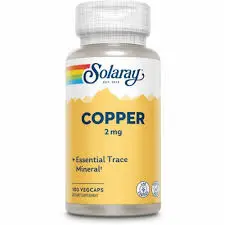
Copper: The Essential Mineral for Optimal Health in Bangladesh
Copper is an important mineral that helps the body in many ways. It supports the immune system, keeps bones and skin healthy, and is needed for overall well-being. This page explains the benefits of copper, where to find it, and the risks of not getting enough or having too much, with a focus on people in Bangladesh.
What is Copper?
Copper is a metal found in the earth’s soil and is important for human health. In small amounts, it acts as a nutrient. Copper helps make red blood cells, supports the immune system, keeps skin healthy, and is needed for strong bones and brain function. Because our bodies cannot make copper, we need to get it from food or supplements.
In Bangladesh, many people eat mostly plant-based foods. Copper is especially important for them, as it helps keep the body working well, especially for those who do not eat much meat or seafood.
Health Benefits of Copper
Copper is needed for many important body functions. Here are some ways copper helps people stay healthy in Bangladesh:
1. Immune System Support
Copper plays an essential role in maintaining a healthy immune system. It helps produce and activate enzymes that support immune cell function. Copper deficiency can lead to a weakened immune response, making individuals more susceptible to infections like pneumonia, which is prevalent in Bangladesh due to seasonal changes and crowded living conditions.
2. Wound Healing
Copper aids in the process of wound healing by promoting collagen production and tissue repair. Given the high incidence of cuts, burns, and other injuries in Bangladesh, copper’s role in wound recovery is particularly significant. Adequate copper levels help prevent infections and speed up the healing process, which is crucial in areas with limited healthcare access.
3. Bone Health
Calcium is known for helping bones, but copper is also important. Copper helps build and strengthen bones. In Bangladesh, more older people are having bone fractures, so getting enough copper may help prevent bone loss and keep bones strong.
4. Skin Health and Appearance
Copper is necessary for maintaining healthy skin, playing a role in collagen formation and wound healing. A deficiency in copper can lead to skin issues, including hypo-pigmentation and conditions such as acne and eczema. Given the environmental factors in Bangladesh, like sun exposure and air pollution, ensuring adequate copper levels may improve skin health and reduce skin-related problems.
5. Antioxidant Protection
Copper works as an antioxidant, helping to remove harmful free radicals from the body. This can lower the risk of diseases like heart disease, diabetes, and cancer. In Bangladesh, where pollution and lifestyle diseases are increasing, copper can help protect the body’s cells from damage.
6. Cognitive Function
Copper is important for the brain and nerves. It helps with chemicals in the brain that affect mood, thinking, and memory. In Bangladesh, where brain diseases like Alzheimer’s and Parkinson’s are becoming more common, getting enough copper may help keep the brain healthy and slow down memory loss.
7. Sexual Health and Reproductive Function
Copper is involved in hormone regulation and the development of healthy reproductive cells. In men, it aids in sperm production, while in women, it contributes to proper ovarian function. Zinc supplementation, commonly taken in Bangladesh, can sometimes lead to copper deficiency, making it essential to balance the intake of both minerals for reproductive health.
Recommended Daily Copper Intake
How much copper you need each day depends on your age and stage of life. Here are some general recommendations:
- Infants (0-6 months): 200 mcg
- Children (1-3 years): 340 mcg
- Children (4-8 years): 440 mcg
- Children (9-13 years): 700 mcg
- Teens (14-18 years): 890 mcg (males), 890 mcg (females)
- Adults (19 years and older): 900 mcg
- Pregnant women: 1,000 mcg
- Breastfeeding women: 1,300 mcg
In Bangladesh, where diets may lack sufficient copper, particularly among those with vegetarian or low-animal-product diets, supplementation or dietary adjustments may be necessary to meet the required intake.
Top Copper-Rich Foods in Bangladesh
While copper is found in many foods, some provide more of this vital mineral than others. Here are the top sources of copper:
1. Animal-based Sources:
- Beef liver: One of the richest sources of copper, providing more than 1000% of the daily requirement in a single serving.
- Oysters: A significant source of copper, especially in coastal regions of Bangladesh, where seafood is more readily available.
- Crab and shrimp: Both are great sources of copper, with Dungeness crab and shrimp providing a lot.
2. Plant-based Sources:
- Nuts and seeds: Cashews, sunflower seeds, and almonds are high in copper and easy to find in Bangladesh.
- Legumes: Beans, lentils, and chickpeas have good amounts of copper and are available to many people in Bangladesh, especially in rural areas.
- Whole grains: Foods like oats, barley, and brown rice are easy to find and give a moderate amount of copper.
- Dark chocolate: A delicious source of copper, dark chocolate with high cocoa content can be a good way to boost copper intake.
3. Vegetables:
- Mushrooms: Shiitake mushrooms, often sold in local markets, have a lot of copper.
- Potatoes: Eating potatoes with the skin gives you copper and other important nutrients.
Copper Deficiency in Bangladesh
Copper deficiency is not common, but it can happen to people who do not eat enough copper-rich foods or have certain health problems like Celiac disease or Menkes disease. Signs of not getting enough copper include:
- Fatigue
- Frequent infections
- Skin lesions
- Hair loss
- Poor wound healing
In Bangladesh, malnutrition and a lack of food choices can lead to copper deficiency. Some people may need copper supplements to stay healthy.
Copper Toxicity: Risks and Side Effects
Copper is important, but too much can be harmful. Signs of having too much copper include:
- Nausea and vomiting
- Abdominal pain
- Liver damage
- Diarrhea
To stay safe, adults should not take more than 10 mg of copper per day from supplements. Always talk to a doctor before taking copper supplements, especially if you have health problems like Wilson’s disease, which causes copper to build up in the body.
Conclusion: Ensuring Optimal Copper Intake in Bangladesh
Copper is an important mineral for overall health. It helps the immune system, skin, bones, and brain. In Bangladesh, where diets can be limited, getting enough copper from food or supplements is important to prevent health problems.
Most people do not need to worry about copper deficiency, but those with special diets or health issues should pay attention to getting enough copper. Always check with a doctor before starting supplements to make sure they are safe for you.