

 Oral Care
 Sports Nutrition
Iron
Showing all 6 resultsSorted by latest
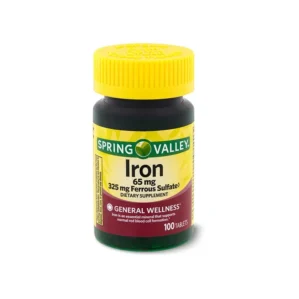
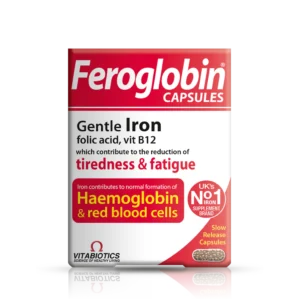
Vitabiotics Iron capsule, Uses, Side effects, doses
SKU:
256678967684
Original price was: 2,100.00৳ .1,949.00৳ Current price is: 1,949.00৳ .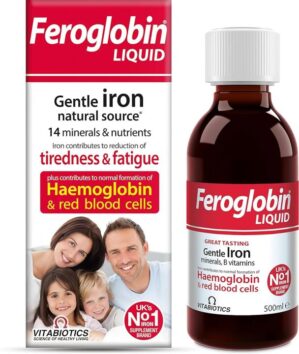
Vitabiotics Feroglobin Liquid
SKU:
387264872364
Original price was: 1,600.00৳ .1,449.00৳ Current price is: 1,449.00৳ .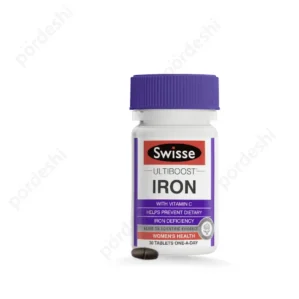
Swisse Ultiboost Iron
SKU:
430975984-1-1-1-1-1-1
Original price was: 2,000.00৳ .1,890.00৳ Current price is: 1,890.00৳ .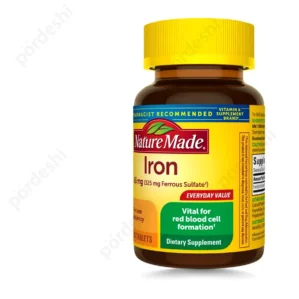
Nature Made Iron
SKU:
0983456764348
Original price was: 1,500.00৳ .1,450.00৳ Current price is: 1,450.00৳ .
Comprehensive Guide to Iron in Bangladesh: Essential Mineral for Health and Well-being
Iron is a critical mineral necessary for human health. It is essential for oxygen transport, energy production, and various metabolic processes. In Bangladesh, iron deficiency is prevalent, especially among women and children. This guide provides an in-depth overview of iron’s physiological roles, dietary sources, recommended intake, and the benefits of supplementation for individuals with iron deficiency.
What is Iron?
Iron is an essential trace mineral predominantly present in red blood cells and muscle cells. It is required for the synthesis of haemoglobin, the protein responsible for transporting oxygen from the lungs to body tissues. Iron also contributes to energy metabolism and the synthesis of neurotransmitters.
Although iron is present in many foods, its absorption is affected by dietary composition, individual health status, and age.
Key Functions of Iron:
- Oxygen Transport: Iron is very important for making hemoglobin, which carries oxygen in the blood.
- Energy Metabolism: Iron is essential for converting blood sugar into energy, supporting overall metabolic processes.
- Immune Function: Iron helps strengthen the immune system, allowing the body to fight infections.
- Brain Health: Iron supports cognitive function and mental clarity, particularly in children and adolescents.
Health Benefits of Iron
1. Preventing and Treating Anaemia
Anaemia, a condition caused by a deficiency in red blood cells or haemoglobin, is one of the most common consequences of iron deficiency. In Bangladesh, where iron deficiency anaemia is widespread, particularly in women and children, iron supplementation is often recommended. Iron helps to restore normal haemoglobin levels and improve the oxygen-carrying capacity of the blood.
2. Supporting a Healthy Pregnancy
Iron is particularly important for pregnant women because it supports the baby’s growth and the increased blood volume. Low iron levels during pregnancy can cause the mother to become anemic, the baby to be born too soon, and developmental problems for the baby. Doctors often tell pregnant women to take iron supplements to lower their risk of getting anemia.
3. Enhancing Cognitive Function
Iron is essential for pregnant women, as it helps support increased blood volume and the baby’s developing needs. Studies have shown that children and adolescents with iron deficiency may experience impaired cognitive function, including difficulties with memory, learning, and focus. In Bangladesh, where iron deficiency in children is prevalent, improving iron intake can significantly support better cognitive and developmental outcomes.
4. Combating Fatigue
Fatigue is one of the most common signs of iron deficiency, as it impairs oxygen delivery to tissues. Increasing iron intake can improve energy levels and reduce fatigue. For individuals in Bangladesh facing chronic fatigue, correcting iron levels can help restore energy and vitality.
Iron Deficiency in Bangladesh: A Growing Concern
Iron deficiency is a major public health issue in Bangladesh, particularly among women, children, and pregnant individuals. The lack of iron-rich foods in many people’s diets, along with the low bioavailability of iron from plant-based sources, contributes to widespread iron-deficiency anaemia. In rural areas, limited access to iron-rich foods such as meat, poultry, and fortified cereals further exacerbates the problem.
Common Symptoms of Iron Deficiency:
- Fatigue: Persistent tiredness or weakness.
- Pale skin: Noticeable paleness due to a lack of haemoglobin.
- Shortness of breath: Difficulty breathing during physical activity.
- Dizziness or lightheadedness: Occurs when iron levels are too low.
- Cold hands and feet: Poor circulation caused by low iron.
- Brittle nails and hair loss: Iron deficiency can affect the integrity of skin, hair, and nails.
Dietary Sources of Iron in Bangladesh
Iron is obtained from both animal and plant sources. Heme iron, found in animal products, is absorbed more efficiently than non-heme iron from plant-based foods. The following are common iron-rich foods in Bangladesh:
Animal Sources (Heme Iron):
- Red meat (beef, mutton)
- Poultry (chicken, duck)
- Fish (particularly with bones, such as mackerel and sardines)
- Liver: Beef or chicken liver is an excellent source of heme iron.
Plant-Based Sources (Non-Heme Iron):
- Spinach and other leafy greens, such as mustard leaves and kale.
- Legumes such as lentils, chickpeas, and beans.
- Whole grains like brown rice, oats, and whole wheat bread.
- Nuts and seeds: Almonds, pumpkin seeds, and sesame seeds are good sources of iron.
- Fortified cereals: Some breakfast cereals are fortified with iron, which is essential for improving intake.
Enhancing Iron Absorption
Pairing iron-rich foods with vitamin C-rich foods, such as citrus fruits, tomatoes, or bell peppers, can improve your body’s ability to absorb iron from plant sources. Vitamin C enhances the bioavailability of non-heme iron, allowing the body to absorb it more easily.
Iron Supplements: When Are They Needed?
While dietary sources of iron are often sufficient for most people, supplementation may be necessary for individuals with diagnosed iron deficiency or anemia. Iron supplements are available in several formats, including tablets, capsules, and liquids. They can be prescribed in the following scenarios:
- Pregnancy: Pregnant women often need more iron because their bodies and the growing fetus require more.
- Chronic illness: Conditions like chronic kidney disease, gastrointestinal disorders, or heavy menstrual bleeding may increase the need for iron.
- Increased physical demand: Individuals with high physical activity levels, such as athletes, may require additional iron to maintain optimal performance.
Excess iron intake can cause gastrointestinal irritation, liver damage, and other serious health problems; thus, it is critical to stick to the prescribed amount.
Recommended Iron Intake for Different Age Groups in Bangladesh
The Recommended Dietary Allowance (RDA) for iron varies by age, sex, and health status. The following are general daily intake guidelines:
- Adults (19-50 years): 18 mg for women, 8 mg for men.
- Pregnant women: 27 mg of iron daily.
- Postmenopausal women: 8 mg daily.
- Children: Varies by age; toddlers need about 7-10 mg, and older children need 10-12 mg per day.
Individuals diagnosed with iron deficiency may require higher doses as prescribed by a healthcare professional.
Side Effects of Iron Supplements
While iron supplementation is generally safe when taken as recommended, it can cause side effects, especially if taken in excessive amounts. Common side effects include:
- Stomach upset: Nausea, vomiting, and constipation are common.
- Dark stools: A harmless but common side effect of iron supplements.
- Iron overdose: Taking high doses of iron can be toxic, especially in children. Symptoms of overdose include abdominal pain, dizziness, and difficulty breathing.
To reduce side effects, iron supplements are typically taken with food. Calcium-rich foods or beverages, such as milk, should be avoided during supplementation because they inhibit iron absorption.
Conclusion: Ensuring Optimal Iron Intake in Bangladesh
Iron is a vital mineral required for physiological functions such as oxygen transport and energy production. In Bangladesh, where iron deficiency is prevalent, raising awareness of its significance, dietary sources, and the need for supplementation is essential. Consuming iron-rich foods and supplementing as advised by healthcare professionals can help maintain adequate iron levels and prevent deficiency-related complications.
References:
- “Iron – Fact Sheet for Health Professionals.” National Institutes of Health, Office of Dietary Supplements.
- Gernand, A. D., et al. “Effects of Iron Supplementation in Pregnant Women on Maternal and Neonatal Outcomes.” Cochrane Database of Systematic Reviews, 2015.
World Health Organisation (WHO). “Iron Deficiency Anaemia: Assessment, Prevention, and Control.” Geneva: WHO, 2001.