


 Oral Care
 Sports Nutrition
Potassium
Showing all 3 resultsSorted by latest
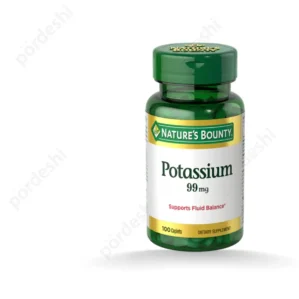
Nature’s bounty Potassium
SKU:
092386423576
Original price was: 1,800.00৳ .1,699.00৳ Current price is: 1,699.00৳ .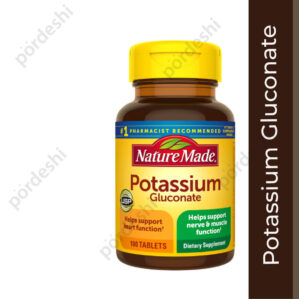

Nature Made Potassium Gluconate 550mg price in BD
SKU:
438765873435
Original price was: 1,150.00৳ .1,049.00৳ Current price is: 1,049.00৳ .Potassium Supplements in Bangladesh: Benefits, Sources, and Considerations
Potassium is an essential mineral that maintains fluid and electrolyte balance in the body. It supports muscle contraction, nerve transmission, and blood pressure regulation. In Bangladesh, potassium deficiency is rising due to dietary habits and soil conditions that lower potassium levels in local foods. While a balanced diet usually provides enough potassium, supplementation may be necessary for specific health concerns.
This guide examines potassium supplementation in Bangladesh, addressing its significance, potential benefits, associated risks, and primary dietary sources for optimal health.
Why is Potassium Important for Your Health?
Potassium functions as a key electrolyte and is responsible for several essential physiological processes, including the following:
- Muscle function: Potassium facilitates muscle contraction, including that of the cardiac muscle, which is necessary for maintaining a regular heartbeat.
- Nerve signaling: Potassium is integral to the transmission of electrical impulses across nerve cells, enabling communication throughout the body.
- Fluid balance: Potassium and sodium work together to maintain fluid balance in cells, tissues, and organs. This balance is essential for normal blood pressure and hydration.
- Bone health: Sufficient potassium intake may help reduce the risk of bone loss, especially with age.
In Bangladesh, potassium deficiency is more common in areas with poor soil quality, which lowers potassium in local crops. Limited consumption of fruits, vegetables, and other potassium-rich foods also contributes to inadequate intake in some populations.
Potassium Supplements: Uses and Effectiveness
Potassium supplements are used to treat low potassium levels (hypokalemia) and support certain health conditions. Below are common uses and their effectiveness in Bangladesh:
- Treating Hypokalemia
Potassium deficiency can result from excessive sweating, diarrhea, certain medications (such as diuretics), or poor diet. Supplements are prescribed to treat low potassium, which can cause muscle weakness, cramping, fatigue, and arrhythmias. Severe cases may require intravenous potassium under medical supervision.
Potassium-Rich Foods in Bangladesh
While supplements can address deficiencies, it is preferable to obtain potassium from natural food sources. Many common foods in Bangladesh are rich in potassium and can be included in your daily diet. Notable examples include:
- Bananas: Widely enjoyed in Bangladesh, bananas are an excellent source of potassium.
- Potatoes: A staple in the Bangladeshi diet, potatoes are a rich source of potassium, especially when consumed with the skin.
- Leafy Greens: Dark leafy vegetables, such as spinach and mustard greens, are high in potassium.
- Lentils and Beans: These legumes, central to Bangladeshi cuisine, are also a good source of potassium.
- Coconut Water: Naturally high in potassium, coconut water is a popular and refreshing beverage in Bangladesh.
- Fish: Species such as mackerel and tuna provide moderate amounts of potassium.
Including a variety of these foods in your meals can help maintain adequate potassium levels without supplements.
Risks of Potassium Deficiency and Toxicity
Potassium Deficiency (Hypokalemia)
A potassium deficiency can lead to various health problems, such as:
A potassium deficiency can lead to various health problems, such as:
- Muscle weakness and cramping
- Fatigue and lethargy
- Irregular heartbeat
- High blood pressure
- Increased risk of kidney stones
Severe potassium deficiency may result in serious conditions such as paralysis or abnormal heart rhythms (arrhythmias), both of which require immediate medical attention.
Potassium Toxicity (Hyperkalemia)
Potassium toxicity is rare but can occur if intake exceeds the body’s ability to process it, especially in those with kidney disease. Symptoms of hyperkalemia include:
Potassium toxicity is rare but can occur if intake exceeds the body’s ability to process it, especially in those with kidney disease. Symptoms of hyperkalemia include:
- Nausea and vomiting
- Muscle weakness
- Irregular heartbeat
- Heart Failure:
To avoid toxicity, potassium supplements should only be taken under a healthcare provider’s supervision, especially for those with kidney problems.
How Much Potassium Do You Need?
The recommended daily intake of potassium varies according to age, sex, and physiological status. In Bangladesh, health authorities generally recommend the following amounts:
- Adults: 3,500–4,700 mg per day
- Pregnant Women: 3,500–4,000 mg per day
- Children: 2,000–3,000 mg per day, depending on age
Most people can meet their potassium needs through a balanced diet with fruits, vegetables, and legumes. For those with certain health conditions, such as high blood pressure or kidney disease, healthcare providers may recommend tailored supplementation.
Potassium Supplementation: When to Consider It
Potassium supplements may be considered in cases of:
- Severe potassium deficiency (hypokalemia)
- Heart arrhythmias or muscle cramps caused by low potassium levels
- Certain medical conditions, including kidney disease or gastrointestinal disorders, can impair potassium absorption..
Potassium supplements should always be used with caution and under healthcare provider supervision to prevent toxicity.
Conclusion
Potassium supports essential functions such as muscle contraction, nerve signaling, and fluid balance. In Bangladesh, dietary patterns and soil conditions can affect potassium intake, making supplements necessary for some. Consuming potassium-rich foods like bananas, leafy greens, and legumes helps prevent deficiencies and supports health. If you suspect a deficiency or require supplements, consult a healthcare provider for safe and effective use.
References:
- NIH – Potassium: National Institutes of Health, Office of Dietary Supplements.
- Harvard T.H. Chan School of Public Health: Potassium and Blood Pressure.
- American Heart Association (AHA): Potassium’s Role in Blood Pressure Regulation.
- Mayo Clinic: Potassium Deficiency and Supplements.
- Journal of Clinical Hypertension: The Role of Potassium in Cardiovascular Health.