


 Oral Care
 Sports Nutrition
Selenium
Showing all 2 resultsSorted by latest

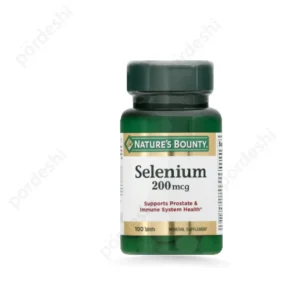
Nature’s Bounty Selenium
SKU:
5612-1-1-2-4
Original price was: 1,800.00৳ .1,700.00৳ Current price is: 1,700.00৳ .Optimized Guide to Selenium: A Comprehensive Overview for Bangladesh
Selenium is an essential mineral for metabolism and immune function. This article overviews its benefits, risks, and sources in Bangladesh. Understanding its importance helps people make informed dietary choices.
What is Selenium?
Selenium is a trace mineral naturally occurring in soil, water, and a variety of foods. It supports metabolism, thyroid health, and immune function. Only small amounts are required, but selenium can greatly impact health.
In Bangladesh, selenium levels in food depend on the soil. Soil composition affects how much selenium crops contain. Some foods have enough selenium, but others may not unless managed carefully.
The Benefits of Selenium
Selenium plays a vital role in supporting several aspects of human health. Key benefits include the following:
1. Thyroid Health
Selenium regulates thyroid function, which controls metabolism. The thyroid needs selenium to make hormones like thyroxine. Enough selenium supports healthy function and lowers the risk of disorders like Hashimoto’s and hypothyroidism, which cause fatigue, weight gain, and mood changes.
2. Antioxidant Properties
A key role of selenium is its antioxidant power. Antioxidants protect cells from oxidative stress linked to aging and disease. In Bangladesh, selenium may help offset damage from common air pollution and environmental stressors.
3. Cognitive Support
Research indicates that selenium possesses neuroprotective properties. It contributes to the maintenance of healthy brain function by reducing oxidative damage to nerve cells, which is important for the prevention of conditions such as Alzheimer’s disease and Parkinson’s disease.
4. Immune System Function
Selenium is vital for immune system function, enhancing the body’s infection response by supporting white blood cell activity and improving the ability to combat viral and bacterial pathogens.
5. Reproductive Health
Adequate selenium intake is associated with male fertility, contributing to sperm production and quality. It may also reduce oxidative stress, a factor in infertility.
6. Cardiovascular Health
Selenium’s role in cardiovascular health is increasingly recognized. Some studies indicate that higher selenium levels are linked to a lower risk of heart disease and heart failure. Since cardiovascular diseases are common in Bangladesh, selenium may help mitigate heart condition risks.
Sources of Selenium in Bangladesh
Meeting daily selenium requirements depends on consuming selenium-rich foods. The selenium content of food is influenced by the soil in which it grows, which varies by region. Common Bangladeshi sources include:
- Rice: A staple food in Bangladesh, rice can be a good source of selenium, particularly if it is grown in selenium-rich soils. Brown rice tends to contain higher levels compared to white rice.
- Seafood: Fish, particularly species such as tuna and sardines, are high in selenium. Although fish are abundant in Bangladesh, selenium content varies depending on water conditions and species.
- Eggs: Eggs are a versatile source of selenium, and their consumption in Bangladesh is common. Selenium is found in both the egg yolk and the white.
- Nuts and Seeds: Brazil nuts are one of the richest sources of selenium. While they are not native to Bangladesh, they can be found in some local markets and offer a great boost of selenium in small portions.
- Meat: Poultry, beef, and lamb are good sources of selenium. The selenium content depends on the soil and feed quality of the livestock, highlighting the importance of dietary diversity.
- Vegetables: While vegetables like spinach and garlic contain selenium, the amounts are generally lower than those found in animal-based products.
How Much Selenium Do You Need?
The recommended dietary allowance (RDA) for selenium varies based on age and condition. In Bangladesh, it’s essential to consider local dietary habits and how selenium may be consumed from food sources. Here’s a general breakdown of the RDA:
- Children (1-3 years): 20 mcg/day
- Children (4-8 years): 30 mcg/day
- Children (9-13 years): 40 mcg/day
- Adults and Children (14 years and older): 55 mcg/day
- Pregnant women: 60 mcg/day
- Breastfeeding women: 70 mcg/day
While most individuals can meet their selenium requirements through diet, those with limited access to selenium-rich foods or specific medical conditions may require supplementation under medical supervision.
Risks of Selenium Deficiency and Toxicity
Selenium Deficiency
Although uncommon, selenium deficiency can occur, particularly in areas with selenium-deficient soil. In Bangladesh, this is a concern in regions characterized by poor soil quality. Symptoms of deficiency include the following:
- Fatigue
- Weakened immune function
- Cognitive impairment
- Male infertility
In severe cases, selenium deficiency can lead to conditions like Keshan disease, a heart disease, or Kashin-Beck disease, a form of osteoarthritis.
Selenium Toxicity
Although selenium is essential, excessive intake can result in toxicity. Selenium levels above 400 mcg per day may cause the following adverse effects:
- Nausea and vomiting
- Hair loss
- Fatigue
- Dizziness
- In severe cases, kidney failure
It is generally recommended to meet selenium requirements through dietary sources rather than supplements, unless otherwise directed by a healthcare provider.
Conclusion
In Bangladesh, dietary patterns that emphasize rice, vegetables, and fish provide access to selenium through natural food sources. However, regional soil conditions may affect the mineral’s availability in specific foods. Consuming a balanced diet that includes selenium-rich foods enables individuals to obtain the health benefits associated with this essential mineral.
To promote optimal health, it is recommended to maintain a balanced diet rich in diverse, whole foods that naturally provide selenium. If deficiencies are suspected, regular health check-ups can help identify any issues. Emphasizing dietary variety not only enhances selenium intake but also supports overall well-being.
References for Further Reading
- National Institutes of Health (NIH) – Selenium: NIH Selenium
- The Lancet: “The Importance of Selenium to Human Health” Link
- University Medical Center Groningen – “Selenium Protects Against Developing Heart Failure” Link
- Frontiers in Neuroscience – “Selenium and Brain Health” Link
- The Journal of Nutrition: “Selenomethionine: Review of Its Nutritional Significance” Link