


 Oral Care
 Sports Nutrition
vitamin D
Showing 1–9 of 11 resultsSorted by latest

NOW Vitamin D3 (50 mcg) 2000 IU
Original price was: 1,900.00৳ .1,800.00৳ Current price is: 1,800.00৳ .
Nature’s Bounty Vitamin D3
SKU:
5612-1-1-2-4-1
Original price was: 2,000.00৳ .1,850.00৳ Current price is: 1,850.00৳ .
Swisse Ultiboost Vitamin D
SKU:
430975984-1-1-1-1-1-1-1-1-1-1
Original price was: 3,200.00৳ .2,950.00৳ Current price is: 2,950.00৳ .
Schiff Glucosamine pulse Vitamin D3
SKU:
5528520-1
Original price was: 3,500.00৳ .3,345.00৳ Current price is: 3,345.00৳ .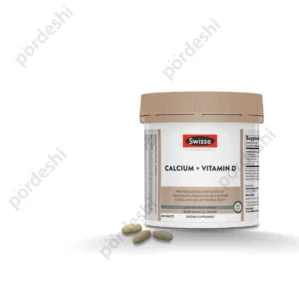
Swisse Ultiboost Calcium + Vitamin D
SKU:
948459344
Original price was: 3,100.00৳ .2,945.00৳ Current price is: 2,945.00৳ .
Nature Made Vitamin D3
SKU:
21763872
Original price was: 2,000.00৳ .1,898.00৳ Current price is: 1,898.00৳ .Kirkland Signatur Vitamin D3
SKU:
723946971246
Original price was: 4,060.00৳ .3,996.00৳ Current price is: 3,996.00৳ .
Puritan’s Pride Calcium 250mg with Vitamin D
SKU:
7346872342
Original price was: 2,400.00৳ .2,299.00৳ Current price is: 2,299.00৳ .Vitamin D in Bangladesh: Benefits, Sources, Deficiency, and Recommendations
Vitamin D is a vital fat-soluble nutrient. It enhances calcium absorption in the intestines, promotes bone health, and supports the immune system. The main forms of Vitamin D are D3 (cholecalciferol) and D2 (ergocalciferol). Both are essential for maintaining optimal health.
Because so many people are deficient in vitamin D, a comprehensive analysis of its benefits, primary sources, and associated health consequences is warranted. These factors significantly affect all age groups in Bangladesh.
What is Vitamin D, and How Does it Work?
Vitamin D regulates calcium and phosphate homeostasis, which is essential for maintaining strong bones and teeth. It also supports immune and muscle function. Cutaneous synthesis of Vitamin D occurs upon exposure to ultraviolet B (UVB) sunlight. In Bangladesh, limited sunlight due to lifestyle factors, seasonal monsoon, and air pollution contributes to a high prevalence of deficiency.
Key Functions of Vitamin D:
- Bone Health: Vitamin D is necessary for the body to absorb calcium and phosphate, which are important for keeping bones strong and preventing diseases like rickets in kids and osteomalacia (soft bones) in adults.
- Immune System Support: It boosts the immune system’s ability to fight pathogens by enhancing the function of monocytes and macrophages.
- Muscle Function: Having enough vitamin D is linked to stronger muscles and better muscle function.
Sources of Vitamin D in Bangladesh
Sunlight is the primary natural source of Vitamin D. However, in Bangladesh, particularly in urban regions where sunlight exposure is often limited, dietary intake becomes increasingly important for maintaining adequate Vitamin D levels.
Food Sources of Vitamin D:
- Fatty fish like salmon, mackerel, and sardines are rich sources of Vitamin D3.
- Egg yolks and cheese also provide small amounts of Vitamin D.
- Mushrooms, especially those exposed to UV light, are one of the few plant-based sources of Vitamin D2.
- Products such as milk, plant-based milk alternatives including soy and almond, and breakfast cereals are frequently fortified with Vitamin D. Food fortification is an effective strategy to help ensure sufficient intake.
Challenges in Bangladesh:
- A significant proportion of the population, particularly individuals residing in rural areas or those with higher melanin levels in the skin, often do not receive sufficient sun exposure for optimal Vitamin D synthesis.
- Individuals adhering to vegetarian or vegan diets may require Vitamin D supplementation because plant-based dietary sources are limited.
Vitamin D Deficiency in Bangladesh: Causes and Risks
Vitamin D deficiency is an increasing public health concern in Bangladesh. Studies indicate a higher prevalence among children, women, and older adults. Insufficient sun exposure and limited dietary sources are primary contributors. Additionally, obesity, chronic kidney disease, and gastrointestinal disorders exacerbate the risk of deficiency.
Common Causes of Deficiency:
- Limited Sun Exposure: High urbanization, indoor living, and the widespread use of sunscreens reduce Vitamin D synthesis.
- Cultural and Religious Practices: Traditional clothing that covers most of the body may limit skin exposure to sunlight.
- Age and Health Conditions: Older adults and individuals with certain chronic conditions are at greater risk.
Health Risks of Vitamin D Deficiency:
- Rickets: A condition in children characterized by weak and soft bones.
- Osteomalacia: Bone softening in adults, leading to pain and fractures.
- Osteoporosis: A disorder that makes bones weak and more likely to break in older people.
- Weakened Immune System: More likely to get infections and autoimmune illnesses.
How to Combat Vitamin D Deficiency in Bangladesh
Maintaining adequate Vitamin D levels is essential for overall health. The following strategies are recommended to prevent and manage Vitamin D deficiency in Bangladesh:
1. Sunlight Exposure:
- Exposure of the arms, legs, and face to direct sunlight for 10 to 30 minutes, three to four times per week, is recommended.
- Morning sunlight is optimal for Vitamin D synthesis, particularly in urban areas where air pollution can reduce the availability of ultraviolet B rays.
2. Dietary Sources:
- Inclusion of Vitamin D-rich foods such as fatty fish, eggs, and fortified dairy products in daily meals is recommended.
- For individuals following vegetarian or vegan diets, fortified plant-based alternatives should be selected to help meet Vitamin D requirements.
3. Supplements:
- Vitamin D supplementation is recommended for children, pregnant women, and older adults at elevated risk, with a daily dosage ranging from 400 to 1000 international units (IU).
Vitamin D and Its Role in Preventing Chronic Diseases
Recent studies suggest adequate Vitamin D may reduce the rRecent studies indicate that sufficient Vitamin D levels may be associated with a reduced risk of chronic conditions, including cardiovascular disease, type 2 diabetes, autoimmune disorders, and respiratory infections. However, current evidence regarding the preventive efficacy of Vitamin D supplementation remains inconclusive. Further research is required to substantiate these potential benefits. Vitamin D helps regulate the immune system, reducing the risk of infections like tuberculosis and pneumonia.
- Chronic Disease Prevention: Emerging evidence indicates an association between adequate Vitamin D levels and reduced risks of cardiovascular disease and diabetes.
- Mental Health: Some studies indicate that low Vitamin D levels correlate with depression and cognitive deterioration, although additional research is necessary.
Conclusion: Promoting Vitamin D Health in Bangladesh
Vitamin D is essential for bone, immune, and muscle health. In Bangladesh, deficiency is prevalent. Recommended interventions include increasing daily sunlight exposure, promoting the consumption of Vitamin D-rich foods such as fatty fish and eggs, and providing supplements to at-risk populations. Public health campaigns and food fortification initiatives are also critical for addressing widespread deficiencies.
References:
- Micronutrient Information Center, Linus Pauling Institute, Oregon State University
- Vitamin D: Fact Sheet for Health Professionals, U.S. National Institutes of Health
- Deluca HF. “History of the discovery of Vitamin D and its active metabolites.” BoneKEy Reports, 2014.
- Global Vitamin D Deficiency Trends, Lancet Regional Health, 2023.