


 Oral Care
 Sports Nutrition
Vitamin E
Showing all 3 resultsSorted by latest

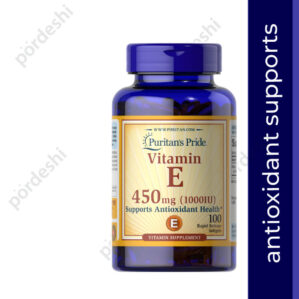
Puritan’s Pride Vitamin E 450mg 100 Softgels
SKU:
3872462873
Original price was: 1,800.00৳ .1,499.00৳ Current price is: 1,499.00৳ .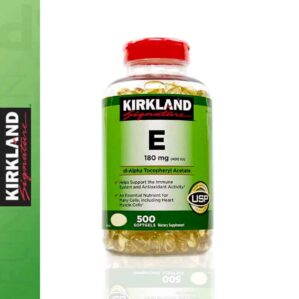
Kirkland Signature Vitamin E 180 mg
SKU:
29387538456
Original price was: 3,600.00৳ .3,400.00৳ Current price is: 3,400.00৳ .Vitamin E in Bangladesh: A Complete Guide to Benefits, Sources, and Uses
Introduction to Vitamin E
Vitamin E is a fat-soluble nutrient that protects cellular structures, supports immune function, and contributes to skin health. It also affects cardiovascular and cognitive functions, and facilitates skin repair.
Increasing health awareness in Bangladesh has led to greater interest in Vitamin E and its dietary sources. This guide reviews its health benefits, local sources, and strategies for achieving sufficient intake.
What Is Vitamin E?
Vitamin E refers to a group of eight fat-soluble compounds, primarily alpha-tocopherol in humans. These compounds function as antioxidants and help maintain the integrity of cell membranes.
The antioxidant properties of Vitamin E are critical for maintaining cellular health.
The Health Benefits of Vitamin E
Vitamin E is recognized for its antioxidant function. The primary health benefits include the following:
Vitamin E neutralizes free radicals, reduces cellular oxidative stress, may delay premature aging, and supports the health of skin and hair.
2. Cardiovascular Health
Vitamin E may reduce the risk of cardiovascular disease by inhibiting the oxidation of low-density lipoprotein (LDL) cholesterol and limiting arterial plaque formation.
3. Skin Health
Vitamin E facilitates skin healing, diminishes scar formation, and assists in maintaining skin hydration.
4. Cognitive Health
Recent studies indicate that Vitamin E may contribute to the prevention of cognitive decline and neurodegenerative conditions such as Alzheimer’s disease. Its antioxidant properties protect neural tissue from oxidative stress.
5. Immune Support
Vitamin E is essential for immune system function. It enhances the activity of immune cells, thereby improving the body’s defence against infections.
Sources of Vitamin E in Bangladesh
Vitamin E occurs naturally in various foods, and a balanced diet can provide sufficient amounts. In Bangladesh, the following foods are significant sources of Vitamin E:
1. Nuts and Seeds
- Almonds are among the most concentrated dietary sources of Vitamin E.
- Sunflower seeds: Rich in gamma-tocopherol, an important form of Vitamin E.
2. Plant Oils
- Sunflower oil: Widely used in cooking, it’s an excellent source of Vitamin E.
- Mustard oil: Common in Bangladeshi cuisine, it also contains Vitamin E, although in smaller amounts compared to sunflower oil.
3. Green Leafy Vegetables
- Spinach and broccoli are great sources of Vitamin E, though these are not as rich as nuts or oils.
4. Fortified Foods
Some products in Bangladesh, such as ready-to-eat cereals, are fortified with Vitamin E. Fortification is particularly important for individuals with limited intake of Vitamin E-rich foods.
5. Fish and Eggs
Fish, especially species such as salmon, and eggs supply modest amounts of Vitamin E. Although primarily recognized for their protein content, these foods contribute to overall micronutrient intake.
How Much Vitamin E Do You Need?
The Recommended Daily Allowance (RDA) for Vitamin E depends on age and gender. In Bangladesh, as in other countries, adults are generally advised to consume approximately 15 mg per day. Certain conditions, including pregnancy or compromised immune function, may necessitate higher intake levels.
Vitamin E Deficiency: Causes and Symptoms
Vitamin E deficiency is uncommon but can develop in individuals with fat malabsorption disorders, including cystic fibrosis or Crohn’s disease. Symptoms include neurological impairment, muscle weakness, and visual disturbances.
In Bangladesh, insufficient consumption of Vitamin E-rich foods among certain populations may necessitate food fortification or supplementation, particularly for vulnerable groups such as infants and older adults.
Potential Risks of Excess Vitamin E Intake
Although Vitamin E provides health benefits, excessive supplementation can result in adverse effects. High doses, exceeding 1,000 mg per day, may increase bleeding risk and interact with anticoagulant medications.
Obtaining Vitamin E from a balanced diet is preferable; supplementation should be considered only under medical supervision.
Vitamin E and Skin Health: A Popular Topical Application
Vitamin E is also applied topically in skin care. It is reported to promote wound healing and reduce scar formation. Numerous products, including oils and creams, contain Vitamin E to enhance skin hydration and elasticity. However, scientific evidence indicates that the effects of Vitamin E on scar reduction and wrinkle prevention are variable.
Conclusion
In summary, Vitamin E contributes to immune function, cellular protection, and skin health. Regular consumption of Vitamin E-rich foods, such as nuts, seeds, and plant oils, is recommended. As health awareness increases in Bangladesh, ensuring adequate Vitamin E intake is important for overall well-being.
FAQs About Vitamin E in Bangladesh
1. Can Vitamin E prevent heart disease?
While some studies suggest that Vitamin E may help prevent cardiovascular diseases by reducing LDL cholesterol oxidation, there is no conclusive evidence to support its use as a primary treatment for heart disease. It’s best to maintain a healthy diet and lifestyle for heart health.
2. How do I know if I need a Vitamin E supplement?
If you have a fat malabsorption condition or follow a very restrictive diet, you may be at risk for deficiency. Speak with your healthcare provider if you suspect you need a supplement.
3. Is Vitamin E safe for skin?
Vitamin E is generally safe for most skin types. However, some individuals may experience allergic reactions or skin irritation. It’s recommended to patch-test any new skincare product containing Vitamin E before use.