


 Oral Care
 Sports Nutrition
Vitamin K
Showing 1–9 of 10 resultsSorted by latest
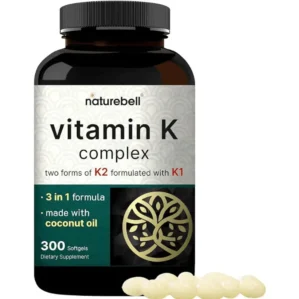
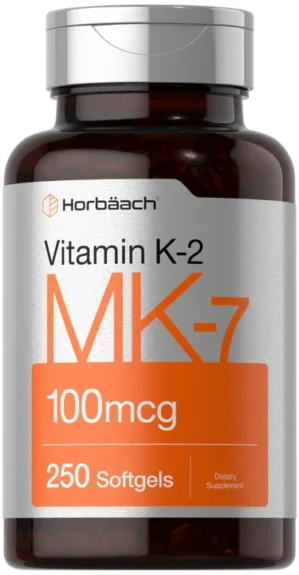
Horbaach Vitamin K2 MK-7

Carlyle Vitamin K2 + D3
Carlyle Vitamin K2 MK-7 (100 mcg) – 150 softgels
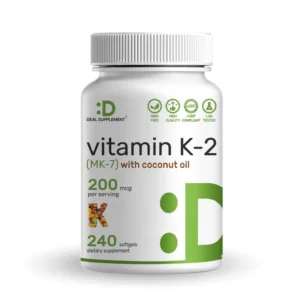
Deal Supplement vitamin k2 mk7 200mg 240 softgel
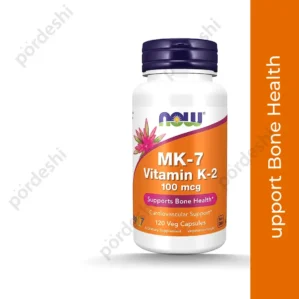
Now MK-7 Vitamin K-2


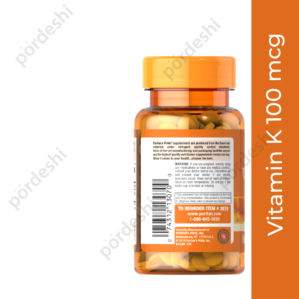
Puritans Pride Vitamin K 100 mcg, Heart Health, Joint Health
Vitamin K is essential for health and vital functions in Bangladesh.
Vitamin K is a fat-soluble nutrient essential for blood coagulation, bone integrity, and vascular function. It exists as Vitamin K1 (phylloquinone) and Vitamin K2 (menaquinone), each providing distinct physiological benefits. Found in a range of foods and supplements, Vitamin K is necessary across all age groups. In Bangladesh, where vitamin deficiencies are prevalent, adequate Vitamin K intake is vital for preserving health.
Definition and Biological Role of Vitamin K
Vitamin K comprises compounds required for physiological processes. It activates proteins responsible for blood coagulation, thereby preventing excessive bleeding. Additionally, Vitamin K facilitates calcium binding in bone tissue, reducing the risk of osteoporosis.
Principal Forms of Vitamin K
- Vitamin K1 (phylloquinone) is present in plant-based foods, including leafy greens such as spinach (palong shak), kale, amaranth (lal shak), and local vegetables like sajna pata (drumstick leaves), broccoli, and cabbage. This form is particularly significant for blood coagulation.
- Vitamin K2 (Menaquinone): Found in animal products and fermented foods, such as locally available poultry, duck eggs, river fish, liver, and dairy products like paneer and ghee. Some Bangladeshi fermented foods, such as chhena (fermented cheese) and shutki (fermented fish), also provide Vitamin K2, which is important for bone health and preventing arterial calcification.
Health Benefits of Vitamin K
- Blood Clotting and Wound Healing: Vitamin K activates proteins essential for blood clotting, thereby preventing excessive bleeding and contributing to cardiovascular system stability.
- Bone Health: Vitamin K, particularly K2, supports bone metabolism by enabling osteocalcin to bind calcium within bone tissue. This process reduces osteoporosis risk, which is heightened in Bangladesh due to prevalent calcium deficiency.
- Vitamin K contributes to vascular health by activating proteins such as the matrix Gla protein (MGP), which inhibits arterial calcification. This action may lower the risk of coronary artery disease, a concern both globally and in Bangladesh. sue globally and in Bangladesh.
Sources of Vitamin K in Bangladesh
Vitamin K is available in diverse plant and animal food sources. In Bangladesh, principal dietary sources include the following:
Vitamin K1 Sources (Plant-based):
Leafy greens such as palong shak (spinach), lal shak (red amaranth), sajna pata (drumstick leaves), and kolmi shak (water spinach) are significant sources of Vitamin K1 in the Bangladeshi diet.
Other vegetables, including broccoli, cabbage, laui (bottle gourd leaves), and patal (pointed gourd), also provide substantial amounts of Vitamin K1.
- Fruits: Kiwifruits and avocados contain small amounts of Vitamin K1. Locally grown fruits such as guava, jackfruit, and green mango may also provide Vitamin K1 in lesser amounts.
- Vitamin K2 Sources (Animal-based):
- Animal products such as poultry, duck eggs, river fish, liver, paneer, cheese, and ghee represent common sources of Vitamin K2 in Bangladesh.
- Fermented foods: Traditional Bangladeshi foods like shutki (fermented dried fish), chhena (fermented cheese), and regional pickles may be sources of Vitamin K2. Although nattō (fermented soybeans) is common in Japan, similar fermented products exist locally.
For those in Bangladesh with limited access to these foods, Vitamin K supplements are a reliable alternative.
Vitamin K Deficiency: Causes and Symptoms
Vitamin K deficiency is uncommon; however, risk factors include the following:
- Poor dietary habits: Not consuming enough leafy vegetables, fruits, or animal products.
- Medical conditions: Malabsorption syndromes (like celiac disease or chronic pancreatitis) can reduce the absorption of Vitamin K.
- Medication interference: Long-term use of blood thinners like warfarin can inhibit Vitamin K activity, leading to bleeding problems.
Signs of Vitamin K deficiency may include:
- Easy bruising
- Unusual bleeding (e.g., nosebleeds or bleeding gums)
- Bone weakness or fractures
In newborns, Vitamin K deficiency can cause Vitamin K Deficiency Bleeding (VKDB), a rare but serious condition impairing blood clotting.
Recommended Daily Intake of Vitamin K.
Recommended Vitamin K intake varies according to age, sex, and health status:
- Adults: 90 µg/day (for women) and 120 µg/day (for men)
- Pregnant or breastfeeding women: 90 µg/day
- Infants: 2–2.5 µg/day (up to 12 months)
- Children: 30 µg/day (ages 1–3) to 75 µg/day (ages 14–18)
These intake levels generally support health maintenance. Individuals with specific requirements, such as long-term anticoagulant users or those with malabsorption disorders, may require supplementation.
Vitamin K Supplementation: Is it Necessary?
In Bangladesh, where access to Vitamin K-rich foods may be limited, supplementation can benefit individuals at risk of deficiency or with particular medical conditions. Consultation with a healthcare provider is recommended prior to supplementation, as excessive Vitamin K intake, although rare, may interact with medications such as warfarin.
Conclusion: The Importance of Vitamin K for Bangladeshi Health
Vitamin K is an essential nutrient that supports blood coagulation, bone integrity, and cardiovascular health. In Bangladesh, where dietary Vitamin K intake may be insufficient, incorporating rich sources or considering supplementation is necessary.
To ensure adequate Vitamin K intake, increase consumption of leafy greens, fermented foods, and animal products. Consultation with a healthcare provider is advised to determine the appropriate nutrient balance for individual health requirements.
References:
- NIH Office of Dietary Supplements – Vitamin K Overview.
- Linus Pauling Institute – Micronutrient Information on Vitamin K.
- Journal of Thrombosis and Hemostasis – Vitamin K and Blood Coagulation.
The WHO Global Fortification Data Exchange provides insights into trends in Vitamin K fortification.