


 Oral Care
 Sports Nutrition
Omega 3-6-9
Showing the single result
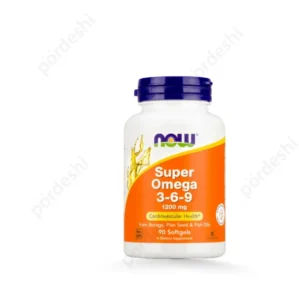
NOW Super Omega 3-6-9
Comprehensive Guide to Omega 3, 6, and 9 Supplements in Bangladesh: Benefits, Sources, and Optimal Intake
Omega 3, 6, and 9 fatty acids are critical for health and maintaining vital functions. In Bangladesh, diets often lack balance, so getting enough of these nutrients is essential. This guide gives you practical information on omega-3, -6, and -9 supplements: benefits, sources, and tips for balance.
Now that we’ve outlined the basics, let’s delve into the specific types of omega fatty acids.
Omega 3, 6, and 9 are fatty acids that your body needs for optimal health. Each type supports different systems. Learn what each does to find a healthy balance.
- Omega 3 are polyunsaturated fatty acids. They include EPA (eicosapentaenoic acid), DHA (docosahexaenoic acid), and ALA (alpha-linolenic acid). These are essential for heart, brain, and eye health. The body cannot produce omega-3, so it must come from food or supplements.
- Omega 6 is another form of polyunsaturated fat. Omega-6 fatty acids, mainly linoleic acid (LA), help heart health and skin function. While omega-6 is essential, modern diets often lead to overconsumption and imbalance.
- Omega 9 consists of monounsaturated fatty acids like oleic acid. These lipids are beneficial for the cardiovascular system and overall health. Omega-9 is nonessential in the diet because the body has the ability to synthesise it. Nevertheless, it continues to provide a variety of health benefits.
Why Are Omega-3, -6, and -9 Important for Your Health?
Each omega fatty acid offers unique benefits when consumed in balance:
- Omega-3 fatty acids (EPA, DHA) are vital for cardiovascular, brain, and eye health. They also have anti-inflammatory properties and help prevent chronic diseases.
- Omega 6 supports skin health and maintains cholesterol levels. However, an imbalance between omega-6 and omega-3 can lead to inflammation and other health issues, making balance crucial.
- Omega 9 enhances heart health, reduces inflammation, and supports cognitive function. It can also help lower cholesterol levels. Omega-9 improves overall immune function.
Sources of omega-3, 6, and 9 Fatty Acids in Bangladesh
To maintain a healthy balance of omega fatty acids, incorporate foods rich in omega fatty acids into your diet. In Bangladesh, many sources of omega fatty acids are readily available.
- Omega 3:
- Fatty Fish: Fish like salmon, sardines, mackerel, and tuna are rich in EPA and DHA.
- Plant-Based Sources: Chia seeds, flax seeds, walnuts, hemp seeds, and canola oil are all superb sources of ALA.
- Omega 6:
- Vegetable Oils: Sunflower oil, corn oil, safflower oil, and soybean oil are high in omega 6.
- Nuts and Seeds: Pumpkin seeds, sunflower seeds, and sesame seeds are excellent sources of omega 6.
- Omega 9:
- Olive Oil: Extra virgin olive oil is a valuable source of omega-9, which is renowned for its heart-healthy properties.
- Avocados, almonds, and peanut oil are also excellent sources.
The Imbalance Between Omega-3 and Omega-6 in Modern Diets
The ratio of omega-6 to omega-3 is substantially higher than it should be in many places, like Bangladesh. The best ratio is between 1:1 and 4:1. People eat omega 6 15 to 20 times more than omega 3. This imbalance can make inflammation worse, lead to heart disease, and throw off how the body works.
Several factors contribute to this imbalance:
- Overconsumption of processed foods high in omega-6 oils.
- Dietary habits and availability have led to a decrease in fish consumption.
- There is an excessive dependence on vegetable oils such as sunflower and soybean oil, which are high in omega 6.
How to Optimize Your Omega 3, 6, and 9 Intake
Achieving the right balance of omega 3, 6, and 9 requires conscious dietary choices. Here are some practical tips.
- Increase Omega-3 Intake:
- Include more fatty fish in your meals, such as mackerel, sardines, and tuna. Aim for at least two servings of fatty fish per week.
- Incorporate plant-based omega-3 sources like flax seeds, chia seeds, and walnut oil into your daily diet.
- Consider taking an omega-3 supplement (fish oil or algae oil) if you struggle to meet your omega-3 needs through diet alone.
- Moderate Omega 6 Intake:
- Be mindful of processed foods that are high in omega-6 oils, like many fast foods and snacks.
- Opt for cold-pressed oils like olive oil or avocado oil. These oils provide healthier omega-9 fats.
- Balance Omega 9:
- Omega 9 is found in foods like olive oil, avocados, and almonds. Incorporate these into your diet to support heart health and overall wellness.
- Olive oil is good for cooking and salad dressings since it has omega-9 and antioxidants.
Should You Take Omega-3, -6, and -9 Supplements?
Getting nutrients from food is always the best way. Supplements can help when your diet isn’t balanced. In Bangladesh, the typical diet may lack sufficient omega-3. Taking a high-quality omega-3 supplement, rich in EPA and DHA, can be beneficial.
Omega-3 supplements, such as fish oil or algae-based oils, can help restore the balance of omega-3sin the body. Omega 6 and 9 supplements are generally not necessary. They can be easily obtained through dietary sources.
Conclusion: Achieving Optimal Omega Balance for Your Well-Being
Maintaining a healthy balance of omega 3, 6, and 9 fatty acids is essential for overall health. Whether you live in Bangladesh or elsewhere, knowing the benefits, sources, and optimal intake of these fatty acids can improve your well-being.
- Omega 3 supports heart, brain, and eye health.
- Omega 6 is crucial for skin health and cholesterol maintenance. However, it should be consumed in moderation.
- Omega 9 is beneficial for heart health and reducing inflammation.
By making conscious food choices like increasing fatty fish and using healthy oils, you can achieve the optimal omega balance. Consider supplements if necessary to support better health.
References
- American Heart Association (AHA). (2021). Omega-3 Fatty Acids and Heart Health. Retrieved from https://www.heart.org.
- Healthline. (2020). Omega-3 Benefits: How It Affects Your Heart and Brain. Retrieved from https://www.healthline.com.
- National Institutes of Health (NIH). (2021). Omega-6 Fatty Acids: Health Benefits and Sources. Retrieved from https://www.ninds.nih.gov.
- Harvard T.H. Chan School of Public Health. (2020). Fats and Cholesterol: Out with the Negative, and in with the Beneficial. Retrieved from https://www.hsph.harvard.edu.
Frequently Asked Questions (FAQ)
1. What is the ideal omega-3 to omega-6 ratio?
The ideal ratio of omega-6 to omega-3 should be between 1:1 and 4:1. Many diets, especially those in Bangladesh, have ratios of 15:1 or higher. These ratios can cause inflammation and other health problems.
2. Can I get enough omega 3, 6, and 9 from food alone?
You can get omega 3, 6, and 9 from food. However, many people may not consume enough omega-3. Diets that lack fatty fish or plant-based omega-3 sources may need supplements to fill the gap.
3. Are omega-3, -6, and -9 supplements safe?
Taking omega-3, 6, and 9 supplements in moderation is usually safe. Pick supplements that are of excellent quality. If you already have health problems, talk to a doctor.
4. What foods are rich in omega-9?
Omega-9 is found in olive oil, avocados, almonds, peanut oil, and hazelnuts. These foods support heart health and overall wellness.
5. How can I tell if my omega-3 supplement is high quality?
Find omega-3 supplements that are cold-pressed to preserve oil quality and that contain a lot of EPA and DHA. Make sure the product doesn’t contain any harmful substances, such as heavy metals, and that it contains antioxidants, like vitamin E, to help protect against oxidation.