


 Oral Care
 Sports Nutrition
Vitamin A
Showing the single result
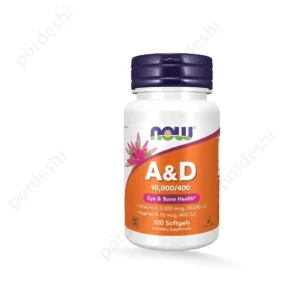
Now Foods Vitamin A & D
Vitamin A in Bangladesh: Essential for Vision, Immunity, and Overall Health
Vitamin A is an essential nutrient that maintains clear vision, strengthens the immune system, and supports growth. In Bangladesh, inadequate vitamin A intake is prevalent and can result in severe ocular complications. Supplementation can prevent night blindness and xerophthalmia, conditions that may progress to irreversible blindness.
What is Vitamin A?
Vitamin A comprises several compounds, including retinol, retinyl esters, and beta-carotene. These nutrients are integral to multiple physiological functions:
- Vision: Vitamin A is crucial for maintaining optimal eyesight, particularly under low-light conditions.
- Immune Health: Vitamin A supports the immune system by maintaining the integrity of the skin and mucosal linings, thereby providing a barrier against pathogens.
- Cell Growth and Reproduction: Essential for the growth, differentiation, and development of cells and tissues.
Vitamin A Deficiency in Bangladesh
Vitamin A deficiency predominantly affects young children and pregnant women. Insufficient intake can result in severe health complications, including:
- Night blindness: One of the first symptoms of Vitamin A deficiency, impairing vision in low-light conditions.
- Xerophthalmia: A progressive eye condition that can lead to total blindness if untreated.
- Weakened Immunity: Increased susceptibility to infections like measles and diarrheal diseases, which can result in higher mortality rates, especially in children under five.
How Does Vitamin A Work in the Body?
Vitamin A is present in two primary forms:
- Retinoids: Present in animal-derived foods such as liver, dairy products, and eggs.
- Carotenoids (such as beta-carotene): These plant-derived precursors are converted by the body into active vitamin A. Carrots, spinach, and sweet potatoes are significant sources of beta-carotene.
Following absorption, retinol is transported to the liver, where it is stored for future use. The liver releases retinol into the bloodstream as needed, particularly during periods of deficiency.
Why You Need Vitamin A:
- Supports Healthy Vision: Helps form rhodopsin, a light-sensitive molecule in the retina essential for night vision.
- Boosts Immune Function: Vitamin A enhances the body’s ability to fight off infections and supports antibody production.
- Cell and Skin Health: Supports epithelial cell production, helping keep skin healthy and aiding wound healing and tissue repair.
Sources of Vitamin A in Food
Incorporating vitamin A-rich foods into the diet is an effective strategy to prevent deficiencies:
- Animal sources: Liver (beef, chicken), eggs, milk, and cheese supply preformed vitamin A (retinol).
- Plant sources: Carrots, sweet potatoes, spinach, and mangoes provide beta-carotene, which the body can convert into vitamin A.
Benefits of Vitamin A Supplements
In Bangladesh, vitamin A deficiency remains a significant public health challenge. Supplementation with vitamin A capsules helps address nutritional requirements, particularly for:
- Pregnant women: To support fetal development.
- Children: To protect against visual impairment and immune deficiencies.
Risks of Vitamin A Deficiency
Without enough Vitamin A, the body faces increased risks:
- Vision problems, including night blindness and possible permanent blindness.
- Weakened immunity, leading to increased vulnerability to infections.
- Delayed growth and impaired reproductive health in women.
How to Use Vitamin A Supplements Safely
Vitamin A supplements are essential for addressing deficiencies, but must be used responsibly. Excessive intake can result in adverse effects such as nausea, dizziness, headaches, or liver damage.
To ensure safe supplementation:
- Consult a healthcare professional to determine the appropriate dosage.
- Adhere to the vitamin A dosage recommended for specific age groups and health conditions.
Vitamin A in Bangladesh: Public Health Programs
To address vitamin A deficiency, the Bangladesh government has implemented several initiatives:
- Vitamin A supplementation programs for children, providing large-dose oral supplements every 6 months.
- Food fortification: Fortifying cooking oil and rice with Vitamin A to increase dietary intake.
Vitamin A for Overall Health
- Supports Skin Health: Reduces the appearance of wrinkles and acne, promotes skin cell regeneration.
- Prevents Chronic Diseases: Regular intake of Vitamin A-rich foods and supplements may reduce the risk of certain cancers, especially lung and skin cancer.
Where to Buy Vitamin A Supplements in Bangladesh
Buy quality vitamin A capsules and multivitamins from trusted online health platforms in Bangladesh such as:
- pordeshi
- ePharma
- Lazz Pharmacy
Choose verified products from trusted brands such as Now Foods (USA), Nature’s Bounty (USA), Spring Valley (USA), Vitabiotics (UK), and Swisse (Australia).
Conclusion
Vitamin A is essential for vision, immune function, and skin health. In Bangladesh, maintaining a balanced diet and practising responsible supplementation can prevent serious deficiencies, particularly among children and pregnant women. Adopting these measures is crucial for safeguarding public health.
References for Vitamin A in Bangladesh Content
- World Health Organisation (WHO): Vitamin A Supplementation
- Global policies, benefits, and deficiency statistics.
- https://www.who.int/teams/immunization-vaccines-and-biologicals/essential-programme-on-immunization/integration/linking-with-other-health-interventions/vitamin-a
- UNICEF: Vitamin A Deficiency in Bangladesh
- Impact of Vitamin A supplementation programs on child mortality and blindness prevention.
- https://www.unicef.org/nutrition/vitamin-a
- National Micronutrient Survey, Bangladesh (Institute of Public Health Nutrition)
- Prevalence of Vitamin A deficiency in children and pregnant women in Bangladesh.
- https://iphn.dghs.gov.bd/
- Centres for Disease Control and Prevention (CDC): Vitamin A
- Role of Vitamin A in immunity and vision; risk factors for deficiency.
- https://www.cdc.gov/nutrition/features/micronutrient-facts.html
- National Institutes of Health (NIH): Vitamin A Fact Sheet for Health Professionals
- Dietary sources, recommended intakes, toxicity, and supplementation guidelines.
- https://ods.od.nih.gov/factsheets/VitaminA-HealthProfessional/
- FAO (Food and Agriculture Organisation): Vitamin A and Carotenoids
- Importance of Vitamin A in developing countries; food fortification initiatives.
- http://www.fao.org/3/y5686e/y5686e05.htm
- Bangladesh Demographic and Health Survey – Nutrition & Micronutrients
- Provides updated stats on Vitamin A coverage and deficiency among children under 5.
- https://dhsprogram.com/pubs/pdf/FR311/FR311.pdf
- World Bank: Combating Vitamin A Deficiency in Bangladesh
- Overview of public health programs and their effectiveness.
- https://documents1.worldbank.org/curated/en/876911468914731378/pdf/Micronutrient-deficiencies-present-knowledge-on-effects-and-control.pdf
- Journal of Nutrition – Vitamin A Supplementation Impact Studies
- Peer-reviewed evidence on the effects of Vitamin A programs in South Asia.
- https://academic.oup.com/jn/article/142/1/178S/4630744